
What if our streets were places for kids to play again?
Do you wish your kids had safer places to play?
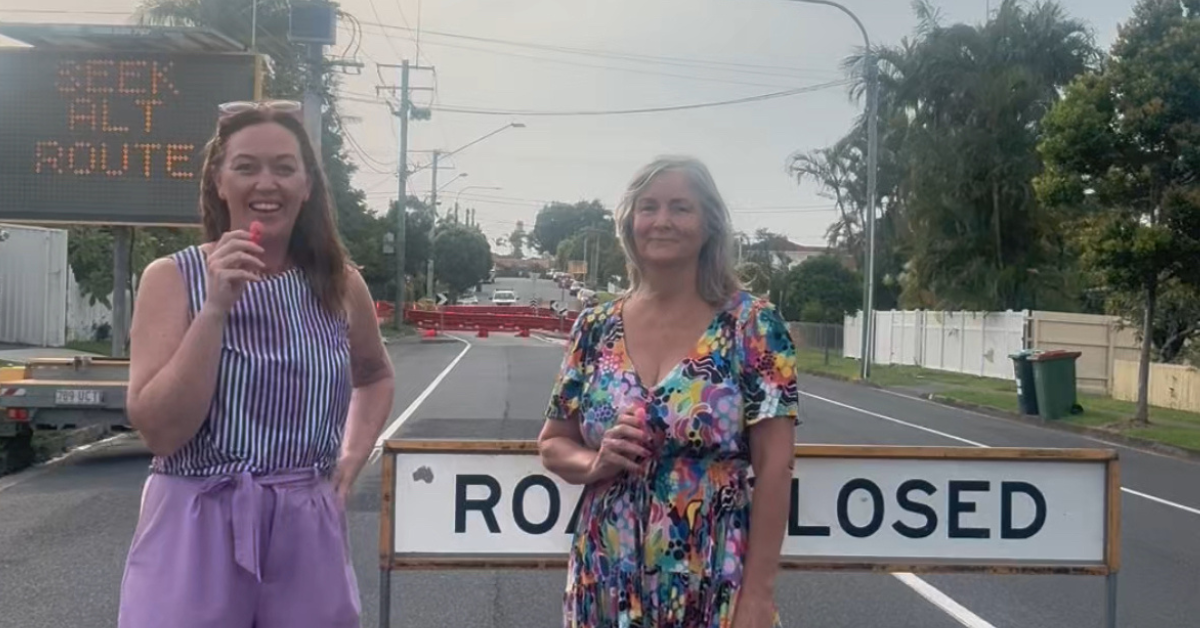
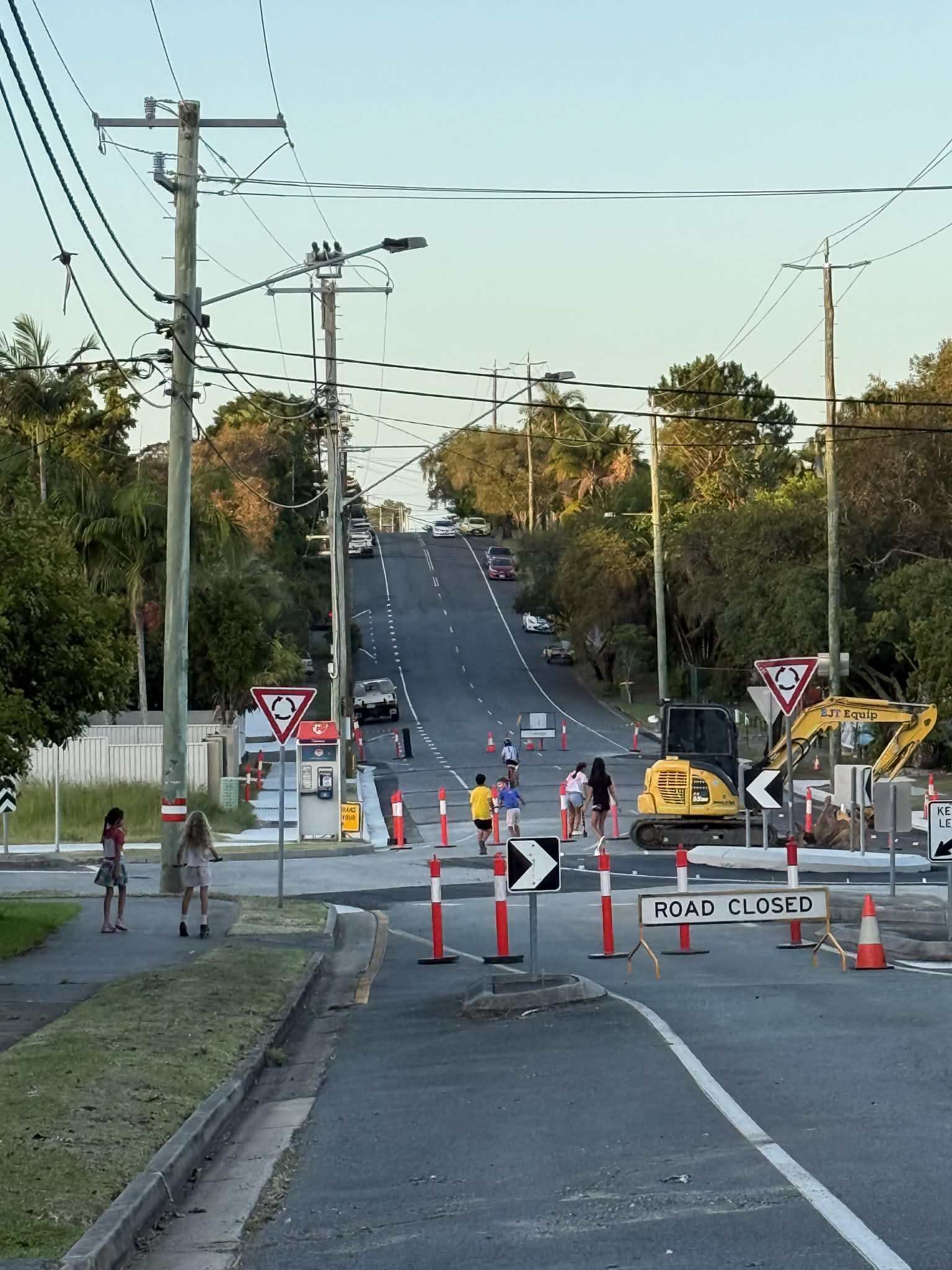
Something interesting happened in Labrador recently. With parts of Turpin Road being closed for road works, kids naturally came back outside.
Bikes. Scooters. Chalk. New friendships.
Labradorian Wendy raised it with me recently, so we shot this little video to share what was happening!
This reminds me of something I’ve shared before: Play Streets, a concept widely used in countries like Germany, where streets are treated not just as transport corridors, but as shared community spaces.
What are Play Streets?
In Australia, Play Streets temporarily restrict through traffic on a quiet residential street so children can play and neighbours can use the space differently.
They don’t require permanent closures or major infrastructure.
Many are run as:
- Short trials (a few hours, a day, or a weekend)
- Temporary closures or low-speed zones
- Community-led events supported by councils
The idea is simple: streets are public space, and with the right settings, they can safely serve more than just cars.
In Germany though, they are more permanent, as shown in my post from a few years ago:
Do we have anything like this in Australia?
Yes—but the approach is still relatively new and support varies between councils.
That means interested residents can face different rules, permits and processes depending on where they live.
This is where 1000 Play Streets, an initiative of Play Australia, comes in.
Its aim is to make it easier for communities to reclaim quiet residential streets as places where neighbours of all ages can connect and play.
Play Australia provides information for residents and a free toolkit for local governments. It also offers templates to help neighbours discuss the idea and approach their council for support.
Play Australia does not run the sessions itself. The goal is to help communities and councils create a safe, practical pathway for local Play Streets.
What does the evidence tell us?
Between September 2019 and April 2021, the 1000 Play Streets national pilot tested 23 Play Streets across 15 locations in four states.
The pilot involved 458 children and 308 adults.
Its findings suggested Play Streets can:
- Create more opportunities for outdoor play and physical activity
- Help neighbours meet and speak to one another
- Strengthen people’s sense of connection
- Improve confidence about children playing outside
- Reduce social isolation within communities
A separate research review found that Play Streets can support children’s physical, social, psychological and cognitive development through active, unstructured play.
The research also reinforces something many parents already know: traffic and safety concerns are among the biggest barriers preventing children from playing outside close to home.
Why trials matter
Not every street will be suitable for a Play Street, and not every neighbourhood will want one.
That is exactly why a trial makes sense.
A short-term trial gives councils and residents an opportunity to consider:
- How local traffic is affected
- Whether safety concerns can be managed
- How neighbours feel about the idea
- Whether children use the space
- Whether it improves connection and street life
- What should be adjusted before another session
If it does not work, the trial ends. If it does, the community has local evidence to build on.
Test it. Learn from it. Adjust.
What we’re seeing locally
The Turpin Road closure hasn’t been a formal Play Street, but it’s shown what’s possible when traffic pressure eases.
Kids felt safe enough to come out and play.
Parents felt comfortable letting them.
Neighbours noticed each other more.
That didn’t happen because of a big policy shift. It happened because conditions changed.
The question is: can we create those conditions intentionally?
What could this look like on the Gold Coast?
Potentially:
- A short, council-supported trial on a quiet residential street
- Limited hours or a single day
- Clear signage and communication
- Strong local support from residents
Nothing permanent. Nothing imposed. Just a chance to see what works.
If you’re interested
If this is something you’d like to explore in your own street or neighbourhood, 1000 Play Streets has a ready-to-use letter template you can adapt and send to council or your local councillor.
Play Streets are being explored in communities elsewhere in Australia, so I’m interested in what a carefully planned Gold Coast pilot could look like.
If you saw what happened on Turpin Road, you will understand why it is at least worth a conversation.
Could a Play Street work in your neighbourhood? Would you support a short trial on a suitable Gold Coast street?
Newsletter signup
Stay up to date on local issues: